Wondering if you need a lawyer after a minor car accident in Illinois? Contact Schierer & Ritchie LLC today for a free consultation.
When you’re involved in a minor car accident, the damage may seem small, the injuries might feel negligible, and you might be tempted to “handle it yourself.” But before you sign anything or accept a quick settlement from the insurance company, it’s worth asking: Is hiring a lawyer for a minor car accident in Illinois actually worth it?
You don’t have to decide alone. Let us review your case for free. We’ll tell you if we think you’re better off handling it without a lawyer. But if we can help, you’ll have a trusted legal team. Call now (309) 250-1871 or schedule a free consultation online.
Short Answer: Yes—But Here’s Why
Legal representation can significantly affect the outcome, even in minor cases. Insurance companies are trained to minimize payouts, and without legal support, you may:
- Settle for far less than you’re entitled to
- Miss out on coverage for future medical expenses
- Accept fault unfairly, affecting your insurance and driving record
What Qualifies as a “Minor” Car Accident?
A “minor” accident typically includes:
- Fender benders
- Low-speed collisions
- Parking lot accidents
- Rear-end crashes with minimal visible damage
But even these can result in hidden injuries, like:
The Hidden Costs of Handling It Alone
You may think you’re saving money by not hiring a lawyer, but here’s what people often overlook:
Underestimated Injuries
Symptoms from a crash can take days or even weeks to appear. Without proper legal help, you may sign a release before you know the full extent of your injuries.
Lowball Offers from Insurance Companies
Insurance companies in Illinois have one job: settle fast and settle cheap. An attorney can evaluate what your case is worth—and fight to get it.
At-Fault Allegations
In Illinois, the comparative fault rule could reduce your compensation or even bar recovery if you’re found more than 50% at fault. A lawyer can gather evidence to protect your claim.
Warning Signs You Definitely Need an Attorney
- You’re feeling pain, soreness, or symptoms days after the crash
- The insurance company denies or delays your claim
- You’re being asked to give a recorded statement
- The at-fault driver is uninsured or underinsured
- You’ve missed work due to injuries
What a Lawyer Will Do for You
At Schierer & Ritchie, we treat every accident seriously because every client matters. When you hire us, you get:
- A free, no-obligation consultation
- Direct access to a local, experienced attorney (not a case manager)
- Help scheduling doctor appointments and medical care
- Skilled negotiation with insurers to maximize compensation
- Representation if your case needs to go to court
It’s Not Just About Today—It’s About Protecting Your Future
What feels like a minor crash today can turn into chronic pain, long-term treatment, and financial stress tomorrow.
The bottom line? A quick settlement isn’t peace of mind—it’s a gamble.
Contact Schierer & Ritchie LLC Today
You don’t have to decide alone. Let us review your case for free. We’ll tell you if we think you’re better off handling it without a lawyer. But if we can help, you’ll have a trusted legal team. Call now (309) 250-1871 or schedule a free consultation online.
Can Social Media Ruin Your Car Accident Case?Understanding how social media can affect your case is critical to protecting your rights and securing the compensation you deserve.
In today’s digital age, social media plays a significant role in communicating, sharing experiences, and documenting our daily lives. However, your social media activity could have serious consequences if you are involved in a car accident and pursuing a legal claim. Insurance companies and defense attorneys often scour social media for evidence to minimize or deny injury claims.
If you have been injured in a car accident and need guidance on protecting your rights, Schierer & Ritchie, LLC can help. Contact us today for a free consultation to ensure you receive the compensation you deserve.
How Insurance Companies Use Social Media Against You
After filing a car accident claim, insurance adjusters and defense attorneys may investigate your social media profiles to find anything that could be used to undermine your case. Some common tactics include:
- Examining Photos & Videos – Any images showing physical activity could be used to argue that your injuries are not as severe as claimed.
- Reviewing Status Updates & Comments – Statements about the accident, injuries, or ongoing legal case may be taken out of context.
- Monitoring Check-Ins & Location Tags – Insurers may use this to dispute your claims of pain or immobility if you are seen traveling, attending social events, or engaging in physical activities.
- Analyzing Friends’ Posts – Even if your account is private, posts by friends or family that tag or mention you can be accessed and used against you.
Legal Precedents & Admissibility of Social Media Evidence
Social media content is increasingly being used as evidence in personal injury cases. Courts have ruled that publicly available social media posts are not protected by privacy laws, meaning they can be used against you (Illinois Supreme Court Ruling). Even private posts may be subject to discovery if the defense can prove they are relevant to the case.
Illinois law allows social media content discovery if it is deemed relevant and material to the litigation (735 ILCS 5/2-1003). This means that if your posts contradict your claims, they can be used to challenge your credibility.
Common Social Media Mistakes That Could Harm Your Case
Many accident victims unknowingly damage their case by making simple mistakes online. Here are some common pitfalls to avoid:
1. Posting About the Accident
Sharing details about the crash, fault, or injuries could be used against you. Even an innocent comment like “I didn’t see them coming” might be twisted to imply that you were partially at fault.
2. Posting Pictures or Videos
Even if you are genuinely injured, a single photo of you at a social event or engaging in mild activity may be misinterpreted by insurance adjusters.
3. Checking In or Tagging Locations
If you claim to be in pain but check in at a gym, hiking trail, or vacation spot, it may be used to question the severity of your injuries.
4. Accepting New Friend Requests
Insurance companies and defense attorneys sometimes create fake profiles to gain access to your private content.
5. Allowing Friends to Tag You
Even if you do not post anything yourself, being tagged in someone else’s post could expose details that may be used against you.
How to Protect Your Car Accident Case from Social Media Risks
To prevent social media from jeopardizing your injury claim, follow these guidelines:
1. Make Your Profiles Private
Adjust your privacy settings so only trusted friends and family can see your posts. However, remember that even private posts can be subpoenaed in court.
2. Avoid Discussing Your Case Online
Do not share details about your accident, injuries, medical treatment, or settlement discussions on social media.
3. Limit New Friend Requests
Only accept requests from people you know to avoid potential insurance investigators.
4. Ask Friends & Family Not to Tag You
Explain the importance of keeping your legal matters private and ask them to avoid posting about you.
5. Take a Social Media Break
The safest approach is to temporarily stop using social media until your case is resolved.
What If You Already Posted Something Risky?
Do not delete your posts if you realize you have made a social media mistake. Courts may consider deleting evidence as spoliation, which could negatively impact your case (Illinois Rules of Civil Procedure). Instead, consult your attorney about how to handle any existing content.
Contact Schierer & Ritchie, LLC Today
Social media may seem harmless, but it can seriously damage your car accident claim. Insurance companies actively seek ways to minimize payouts; your online activity can provide them with ammunition. To protect your case, be mindful of what you post, adjust your privacy settings, and consider avoiding social media altogether during your legal proceedings.
Need Legal Advice? Contact Schierer & Ritchie, LLC
If you have been injured in a car accident and need guidance on protecting your rights, Schierer & Ritchie, LLC can help. Contact us today for a free consultation to ensure you receive the compensation you deserve.
How Texting Behind the Wheel Can Cost You More Than a TicketDistracted driving is one of the leading causes of car accidents in the U.S. Texting behind the wheel is particularly dangerous.
Distracted driving is one of the leading causes of car accidents in the United States. Among all distractions, texting behind the wheel is particularly dangerous. It only takes a few seconds of looking away from the road to cause a serious or even fatal crash. But beyond the obvious safety risks, texting while driving can cost you more than just a ticket—it can impact your finances, driving record, and even your freedom.
If you’ve been involved in a car accident caused by a distracted driver, seeking legal representation can help you recover damages and hold the responsible party accountable. Contact Schierer & Ritchie, LLC, today for a free consultation.
The Dangers of Texting While Driving
Texting while driving combines three types of distraction:
- Visual distraction: Taking your eyes off the road.
- Manual distraction: Removing your hands from the wheel.
- Cognitive distraction: Taking your mind off driving.
According to the National Highway Traffic Safety Administration (NHTSA), sending or reading a text takes your eyes off the road for about five seconds. At 55 mph, that’s like driving the length of a football field with your eyes closed. This delayed reaction time increases the likelihood of rear-end collisions, lane departures, and pedestrian accidents.
Legal Consequences of Texting While Driving in Illinois
Illinois has strict distracted driving laws to combat this growing problem. Under the Illinois Vehicle Code, it is illegal to text and drive. The law prohibits drivers from:
- Composing, sending, or reading electronic messages while operating a vehicle.
- Holding a mobile phone while driving, unless using hands-free technology.
Violating Illinois’ distracted driving law can result in the following penalties:
- First offense: $75 fine.
- Second offense: $100 fine.
- Third offense: $125 fine.
- Fourth and subsequent offenses: $150 fine.
Additionally, any texting violation that leads to an accident causing injury or death could result in serious criminal charges, including reckless driving or vehicular homicide.
Financial Costs of Distracted Driving
The costs of texting while driving extend beyond traffic fines. A violation can lead to:
- Increased insurance premiums: One texting-related offense can significantly raise your car insurance rates (Insurance Information Institute).
- License suspension: Multiple violations can result in a suspended driver’s license, particularly for younger drivers.
- Civil lawsuits: If distracted driving causes an accident, you could be held financially responsible for medical expenses, vehicle damage, and legal claims.
The Human Cost: Real-Life Consequences
Beyond legal and financial penalties, the most devastating cost of texting while driving is the potential loss of life. According to the National Safety Council, distracted driving contributes to thousands of fatalities every year. Families across the country have lost loved ones because of a simple, avoidable mistake.
How to Prevent Distracted Driving
Preventing distracted driving starts with personal responsibility. Here are some tips to keep yourself and others safe:
- Use “Do Not Disturb” Mode: Most smartphones have features that block notifications while driving (Apple Support).
- Designate a Passenger to Text for You: If you need to respond urgently, let someone else handle it.
- Pull Over if Necessary: If a message or call is important, find a safe place to stop before using your phone.
- Educate Young Drivers: Teens are at the highest risk of distracted driving accidents, so set an example and talk to them about the dangers (CDC Teen Drivers).
- Download Safe Driving Apps: Apps like LifeSaver or AT&T DriveMode help discourage phone use while driving (LifeSaver App).

So, Is a Text Worth the Risk?
Texting while driving isn’t just illegal—it’s a dangerous habit that puts lives at risk. A single moment of distraction can lead to irreversible consequences for you and others on the road. The next time you feel the urge to check your phone while driving, ask yourself: is this text worth my life or someone else’s? The answer is always no.
Contact Schierer & Ritchie LLC Today
If you’ve been involved in a car accident caused by a distracted driver, seeking legal representation can help you recover damages and hold the responsible party accountable. Contact Schierer & Ritchie, LLC, today for a free consultation.
How Neck Injuries Can Lead to Chronic Pain and DisabilityProving a neck injury’s severity and impact can be tricky, especially when insurers try to downplay claims. Fair compensation is crucial.
Neck injuries from car accidents can have life-altering consequences, often resulting in chronic pain and long-term disability. While some injuries heal within weeks, others develop into persistent conditions that affect mobility, work capacity, and overall quality of life. From whiplash and herniated discs to nerve damage and fractures, these injuries can lead to severe pain, limited movement, and even permanent impairment.

Understanding Neck Injuries from Car Accidents
Neck injuries are one of the most common consequences of car accidents, often resulting in long-term pain, reduced mobility, and, in severe cases, permanent disability. The neck, or cervical spine, is a delicate and complex structure that supports the head, facilitates movement, and houses essential nerves and blood vessels. Even a minor car accident can cause significant neck trauma, leading to chronic pain that persists for months or even years.
For accident victims, proving the extent of a neck injury and its impact on daily life is crucial for securing fair compensation. Insurance companies often attempt to minimize these injuries, making strong medical documentation and legal representation essential for those seeking damages.
Types of Neck Injuries That Can Lead to Chronic Pain
Whiplash-Associated Disorders (WAD)
- They occur when the head is forcefully jerked back and forth, commonly in rear-end collisions.
- They can lead to persistent neck pain, stiffness, headaches, and cognitive issues.
- Some cases develop into chronic whiplash syndrome, where symptoms last longer than six months.
Whiplash is a recognized soft tissue injury in personal injury claims, but insurance companies often dispute its severity without proper medical documentation (Illinois Evidence Law, 735 ILCS 5/8-802).
Herniated or Bulging Discs
- A car accident can cause the cervical spine’s discs to rupture or shift, pressing against nearby nerves.
- Symptoms include radiating pain, numbness, weakness, and limited range of motion.
- Severe cases may require surgical intervention, such as a discectomy or spinal fusion.
In Illinois, accident victims can seek compensation for medical treatment and future surgeries related to spinal disc injuries (735 ILCS 5/2-1115.2).
Cervical Fractures
- A fractured neck (broken vertebrae) is a severe injury that can cause permanent nerve damage or paralysis.
- Requires immediate medical attention, often leading to long-term disability or the need for assistive devices.
Neck fractures may qualify for permanent disability compensation, which includes ongoing medical expenses and lost earning potential (Illinois Workers’ Compensation Act, 820 ILCS 305/8).
Nerve Damage (Radiculopathy and Neuropathy)
- Damage to the nerves in the cervical spine can lead to chronic pain, tingling, and muscle weakness.
- Victims may experience severe mobility issues and require physical therapy or pain management treatments.
Post-Traumatic Arthritis
- A neck injury can lead to early-onset arthritis, causing chronic stiffness and pain.
- Symptoms often worsen over time, making working or performing daily activities increasingly difficult.
Arthritis caused by accident is considered a progressive injury, and victims can seek compensation for future medical care and loss of quality of life (Illinois Pattern Jury Instructions, Civil No. 30.05).
How Chronic Neck Pain Affects Daily Life and Work
Chronic neck pain can be debilitating, affecting nearly every aspect of a victim’s life. The long-term impact includes:
- Reduced Work Capacity – Jobs that require lifting, bending, or prolonged sitting become impossible.
- Mental and Emotional Struggles – Chronic pain is linked to depression, anxiety, and sleep disorders.
- Dependency on Medication – Many sufferers require prescription painkillers or nerve-blocking injections.
- Limited Mobility and Lifestyle Changes – Basic activities like driving, exercising, or even turning the head can become painful.

Proving Neck Injuries in a Personal Injury Case
Accident victims must present compelling evidence proving their injuries and impact to secure maximum compensation. Key evidence includes:
Medical Records and Doctor’s Reports
- Emergency room visits and diagnosis reports immediately following the accident.
- Imaging scans (X-rays, MRIs, or CT scans) showing disc damage or fractures.
- Long-term treatment plans prove the chronic nature of the injury.
Pain Journal and Daily Impact Logs
- Detailed records of pain levels, mobility limitations, and emotional distress.
- Documentation of missed workdays and lifestyle changes.
Expert Testimony
- Medical experts can testify about the severity and long-term consequences of neck injuries.
- Vocational experts can explain how the injury affects employment prospects.
Accident Reports and Witness Statements
- Police reports can confirm liability and accident severity.
- Witnesses can support claims of visible pain or mobility issues after the crash.
Compensation for Neck Injuries Leading to Chronic Pain
Settlement values for chronic neck injuries vary based on the severity and long-term prognosis. Compensation may include:
- Medical Expenses
- Emergency treatment, surgery, physical therapy, and medication.
- Future costs for pain management or additional surgeries.
- Lost Wages & Loss of Earning Capacity
- Compensation for missed workdays and future earning limitations.
- Pain and Suffering
- Chronic pain’s impact on mental health, daily life, and relationships.
- Permanent Disability Benefits
- If the injury prevents the victim from working permanently, they may qualify for long-term disability compensation.
Contact Schierer & Ritchie LLC Today For a Free Consultation
If you or a loved one is suffering from chronic neck pain or disability due to a car accident, you deserve full compensation for your medical bills, lost income, and suffering. Don’t let insurance companies downplay your injuries—get the legal support you need. Contact us for a free consultation today, and let us fight for the compensation you deserve.
How Much Is a Knee Injury Worth in a Car Accident Settlement?Suffered a knee injury in a car accident? Learn how much your claim is worth and the factors impacting settlement value.
Knee injuries are among the most debilitating consequences of a car accident, affecting mobility, daily activities, and overall quality of life. Whether it’s a torn ligament, fractured kneecap, or long-term arthritis, these injuries often require extensive medical treatment, physical therapy, or even surgery.
The financial impact can be overwhelming, making a fair settlement crucial to covering medical expenses, lost wages, and pain and suffering. But how much is a knee injury claim worth? The answer depends on multiple factors, including the severity of the injury, liability, and the strength of your legal case.

Common Knee Injuries from Car Accidents
Ligament Tears (ACL, MCL, PCL, LCL)
- The Anterior Cruciate Ligament (ACL) and Medial Collateral Ligament (MCL) are the most commonly injured ligaments in car crashes.
- Symptoms include severe pain, swelling, instability, and difficulty walking.
- Treatment may involve physical therapy, bracing, or reconstructive surgery.
Meniscus Tears
- The meniscus is the cartilage that cushions the knee joint.
- Torn meniscus injuries cause pain, swelling, and locking of the knee.
- Surgery (such as a meniscectomy or meniscus repair) is often required.
Patella (Kneecap) Fractures
- The patella can be fractured if the knee hits the dashboard during a collision.
- Symptoms include extreme pain, inability to straighten the leg, and swelling.
- Treatment may involve immobilization or surgical fixation.

Dislocated Knees
- A knee dislocation is a severe injury where the bones in the knee joint move out of place.
- It can cause nerve and blood vessel damage, sometimes requiring emergency surgery.
Post-Traumatic Arthritis
- Long-term knee damage from an accident can lead to arthritis, requiring pain management or even knee replacement surgery.
How Much Is a Knee Injury Worth in a Car Accident Settlement?
The value of a knee injury claim depends on multiple factors, including the severity of the injury, medical expenses, lost wages, long-term impact, and pain and suffering.
Medical Expenses
Medical costs play a significant role in determining settlement value. Compensation includes:
- Emergency room visits
- Doctor consultations
- Physical therapy
- Surgical procedures (ACL/MCL reconstruction, knee replacement, etc.)
- Medication costs
- Assistive devices (crutches, braces, wheelchairs)
Lost Wages & Loss of Earning Capacity
If a knee injury prevents you from working temporarily or permanently, you may be entitled to compensation for:
- Lost income due to missed workdays
- Diminished earning capacity if the injury limits future job opportunities
- Loss of career advancement for professions requiring physical activity
Pain and Suffering
Pain and suffering damages cover physical pain, emotional distress, and reduced quality of life. This includes:
- Chronic pain
- Depression or anxiety related to limited mobility
- Reduced ability to participate in hobbies or daily activities
The amount awarded varies based on injury severity, length of recovery, and long-term effects.
Permanent Disability and Future Medical Costs
Severe knee injuries may require:
- Future surgeries (e.g., knee replacement)
- Ongoing physical therapy
- Pain management treatments
- Disability accommodations
Factors That Impact Your Settlement Value
- Liability and Fault
- Illinois follows a comparative negligence rule, meaning your settlement is reduced if you are partially at fault (735 ILCS 5/2-1116).
- Insurance Policy Limits
- Your settlement may be restricted if the at-fault driver has low insurance limits. However, underinsured motorist coverage (UIM) can help bridge the gap.
- Strength of Medical Evidence
- Immediate medical care and consistent treatment strengthen your claim.
- Gaps in treatment may reduce settlement value.
Steps to Maximize Your Knee Injury Settlement
- Seek immediate medical attention – Delayed treatment can weaken your case.
- Follow all medical recommendations – Inconsistent treatment can lead insurers to reduce payouts.
- Document pain and limitations – Keep a journal tracking mobility issues and pain levels.
- Gather witness statements – Testimonies from passengers or bystanders strengthen your case.
- Hire an experienced car accident attorney – Insurance companies often offer low settlements to unrepresented victims.
Contact Schierer & Ritchie LLC Today for a Free Consultation
Knee injuries from car accidents can have lasting consequences on your health, finances, and daily life. If you’ve suffered a knee injury due to another driver’s negligence, you deserve full and fair compensation. Contact us today for a free consultation and let our experienced legal team fight for the settlement you deserve.
How to Prove Whiplash in a Car Accident CaseWhiplash can lead to long-term pain, limited mobility, and chronic health issues. Contact us to receive the compensation you deserve.
Proving whiplash in a car accident claim requires strong evidence, expert opinions, and legal knowledge. Insurance companies often fight these claims aggressively, but you can secure the compensation you deserve with the right documentation and an experienced attorney.
If you or a loved one suffered whiplash in a car accident in Illinois, we can help you build a strong case and fight for maximum compensation. Contact us today for a free consultation.
What Is Whiplash and Why It Matters in Legal Claims
Whiplash is one of the most common injuries in car accidents, especially in rear-end collisions. It occurs when the head is suddenly jerked forward and then snapped back, causing damage to the neck’s muscles, ligaments, and soft tissues. While it is often dismissed as a minor injury, whiplash can lead to long-term pain, limited mobility, and chronic health issues.
Because whiplash is a soft tissue injury, proving it in a legal case can be challenging. Insurance companies often downplay its severity or claim that victims are exaggerating their pain. Strong evidence and proper documentation are critical to winning compensation for medical bills, lost wages, and pain and suffering.
Why Is Proving Whiplash Difficult?
Unlike broken bones, whiplash injuries do not appear on X-rays or MRIs in many cases. This allows insurance adjusters to argue that the injury is less serious than the victim claims. Accident victims need solid medical documentation, expert testimony, and legal support to counter these tactics. (Mayo Clinic)
Steps to Prove Whiplash in a Car Accident Case
Seek Immediate Medical Attention
One of the most critical factors in proving whiplash is seeking medical treatment as soon as possible after the accident. Insurance companies will argue that delayed treatment means your injury was not serious or was caused by something else.
- Visit the emergency room, urgent care, or primary doctor immediately after the accident.
- Report all symptoms you are experiencing, even mild ones, as some injuries worsen over time.
- Follow all prescribed treatments, including physical therapy and medications.
Get a Proper Diagnosis and Medical Documentation
A doctor’s diagnosis is key since whiplash does not always appear on imaging scans.
Your medical records should include:
- Detailed descriptions of your pain, stiffness, and mobility limitations.
- Official diagnosis from a doctor (e.g., “Cervical Strain” or “Whiplash-Associated Disorder”).
- Prescribed treatments, such as pain medication, physical therapy, and a neck brace.
- Imaging tests, including MRI or CT scans, to rule out more severe neck injuries.
Document Your Symptoms and Recovery
Whiplash symptoms can worsen over time, so keeping a pain journal can help prove your claim. Record:
- Daily pain levels and how the injury affects your ability to work or perform daily activities.
- Missed workdays due to pain or medical appointments.
- Changes in mobility, headaches, dizziness, or sleep disturbances.
In Illinois, pain and suffering damages are calculated based on medical evidence, treatment duration, and the impact on daily life (735 ILCS 5/2-1115.2).
Gather Witness Statements
If passengers or bystanders saw the accident or noticed your pain immediately afterward, their testimony can help support your case. Witness statements should:
- Describe how the accident happened.
- Confirm that you showed signs of pain or discomfort at the scene.
- Detail any limited movement or distress they observed in the following days.
Obtain an Accident Report
A police report is a crucial piece of evidence in whiplash claims. It can: (625 ILCS 5/11-406)
- Support your claim by confirming the details of the crash.
- Show whether the other driver was cited for speeding, reckless driving, or negligence.
- Strengthen your case if the report notes you complained of neck pain at the scene.

Use Medical Expert Testimony
If your case goes to trial, a medical expert can testify about the nature of whiplash and its long-term effects. An expert can:
- Explain how whiplash occurs in car accidents.
- Describe the expected recovery time and the likelihood of chronic pain.
- Validate the connection between the accident and your injury.
Expert testimony is widely accepted in Illinois courts when it helps establish medical facts (Illinois Supreme Court Rule 213).
Avoid Common Insurance Tactics
Insurance companies often use the following strategies to deny or reduce claims:
- Claiming whiplash is a minor injury.
- Arguing pre-existing conditions caused your pain.
- Offering a quick but low settlement before you know the full extent of your injury.
Do not accept any settlement without speaking to an attorney first. A lawyer can help negotiate a fair settlement or take your case to court if necessary.
Illinois follows a comparative negligence rule, meaning your compensation may be reduced if you are partially at fault (735 ILCS 5/2-1116).
Contact Schierer & Ritchie LLC Today For a Free Consultation
If you or a loved one suffered whiplash in a car accident in Illinois, we can help you build a strong case and fight for maximum compensation.
Contact us today for a free consultation.
If you’ve been injured in a rear-end accident in Illinois, our Peoria car accident lawyers can help you fight for the compensation you deserve.
Contact us today.
Rear-end collisions may seem straightforward, but proving fault and securing fair compensation requires strong evidence and legal expertise. If you’ve been injured in a rear-end accident in Illinois, our legal team can help you fight for the compensation you deserve.
These accidents are among the most common types of car crashes and often lead to serious injuries and legal disputes over fault. While the rear driver is responsible in most cases, there are instances where the front driver or external factors play a role.
What is a Rear-End Collision?
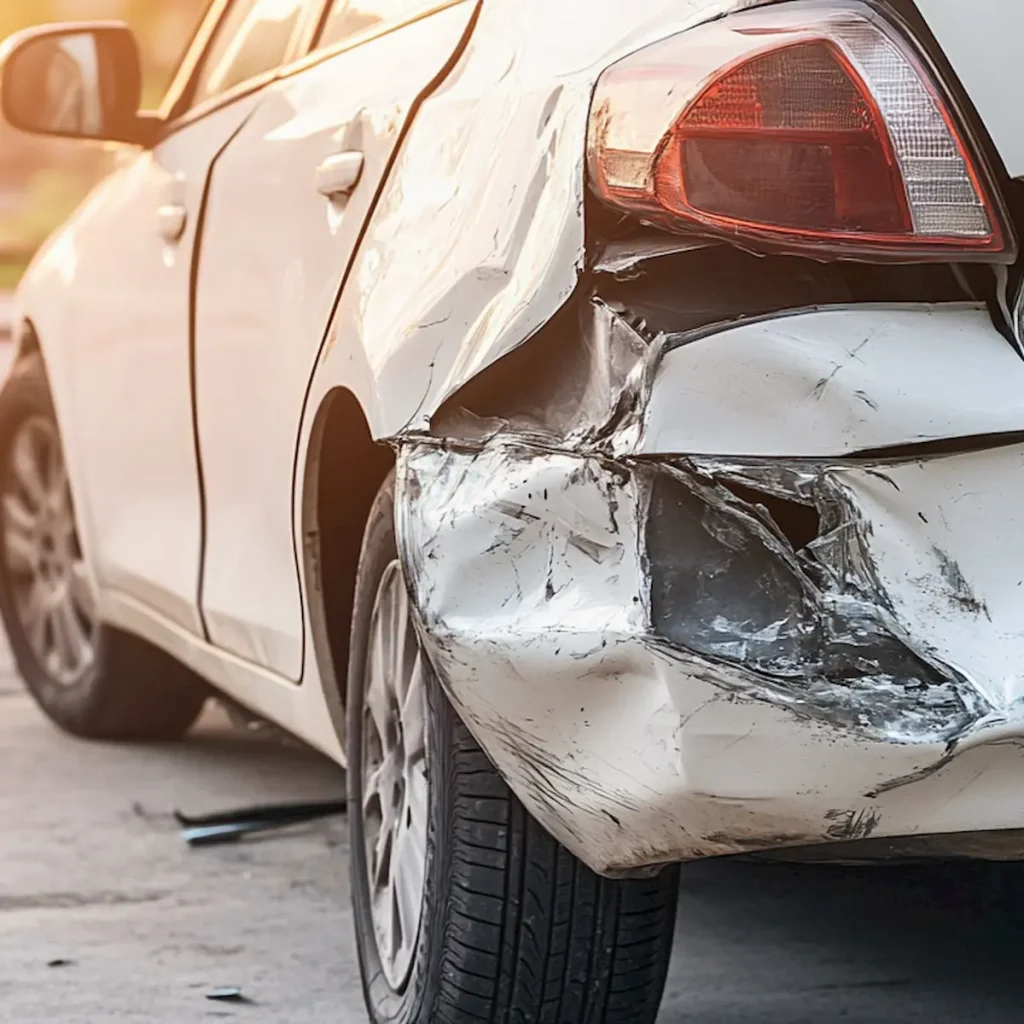
A rear-end collision occurs when one vehicle crashes into the back of another. These accidents are among the most common types of car crashes and often lead to serious injuries and legal disputes over fault. While the rear driver is responsible in most cases, there are instances where the front driver or external factors play a role.
Why Are Rear-End Collisions So Common?
Rear-end accidents frequently happen in stop-and-go traffic, at intersections, or on highways due to the following reasons:
- Distracted Driving: Texting, eating, or adjusting the radio can cause delayed reaction times (CDC Distracted Driving).
- Tailgating: Following too closely reduces stopping distance, leading to collisions when the front vehicle slows or stops suddenly.
- Sudden Stops: Unexpected braking can catch trailing drivers off guard, whether due to traffic conditions or road hazards.
- Speeding: A driver traveling too fast has less time to react to traffic slowdowns (Illinois Speeding Laws, 625 ILCS 5/11-601).
- Weather Conditions: Rain, snow, and ice can make roads slick, increasing stopping distances and making crashes more likely.
- Brake Failure or Mechanical Issues: Malfunctioning brakes or tire blowouts can prevent a vehicle from stopping in time.
Common Injuries in Rear-End Collisions
Even at low speeds, rear-end crashes can result in serious injuries. The force of impact can cause sudden and unnatural body movements, leading to:
- Whiplash: One of the most common injuries, whiplash occurs when the neck is suddenly jerked forward and backward, straining muscles and ligaments.
- Concussions and Head Trauma: The impact can cause the head to strike the steering wheel or dashboard, leading to traumatic brain injuries (TBI).
- Back and Spinal Cord Injuries: Herniated discs, fractures, and even paralysis can result from severe crashes.
- Broken Bones: Wrists, arms, and ribs are vulnerable to fractures during impact.
- Internal Injuries: Seatbelt pressure and blunt-force trauma can damage internal organs, leading to life-threatening complications.
Who is at Fault in a Rear-End Collision?
In most cases, the rear driver is presumed to be at fault because drivers are expected to maintain a safe following distance. However, there are exceptions where fault may be shared or placed on the front driver.
When the Rear Driver is at Fault
- Following Too Closely (Tailgating): Illinois law requires drivers to maintain a safe distance to avoid collisions (Illinois Vehicle Code, 625 ILCS 5/11-710).
- Speeding or Reckless Driving: A driver going too fast for road conditions may be held liable (Illinois Reckless Driving Laws, 625 ILCS 5/11-503).
- Distracted or Impaired Driving: If the rear driver was texting, intoxicated, or otherwise distracted, they are likely responsible (Illinois DUI Laws, 625 ILCS 5/11-501).
When the Front Driver May Be Partially or Fully at Fault
- Sudden and Unnecessary Braking: If a driver slams on their brakes for no reason, they could share fault for the accident.
- Reversing into a Vehicle: If the front car was in reverse when the accident occurred, the driver may be held liable.
- Non-Functioning Brake Lights: A driver whose brake lights are out may be responsible for not signaling their stop to other motorists.
Comparative Negligence in Illinois
Illinois follows a comparative negligence rule, meaning fault can be shared between both drivers. If the rear driver is found 80% at fault and the front driver 20%, compensation may be reduced accordingly (735 ILCS 5/2-1116).
How to Prove Fault in a Rear-End Collision
To successfully prove liability, it is crucial to gather strong evidence. Here’s what can help your case:
Police Report
Law enforcement officers will document the accident scene, note traffic violations, and indicate who is at fault. Always request a copy of the police report.
Eyewitness Statements
Witnesses can provide independent accounts of what happened and clarify whether the rear driver was tailgating or distracted.
Traffic Camera or Dashcam Footage
If available, video evidence can prove whether the rear driver was following too closely or if the front driver engaged in reckless behavior.
Vehicle Damage Analysis
Damage patterns on both vehicles can support your claim. If the rear vehicle has severe front-end damage and the front vehicle has rear bumper damage, it supports a rear-end impact.
Medical Records
If you suffered injuries, immediate medical attention and records showing whiplash, concussions, or other trauma can support your claim.
Cell Phone Records
If distracted driving is suspected, phone records may show whether the at-fault driver was texting or using their phone during the crash.
Steps to Take After a Rear-End Collision
If you are involved in a rear-end crash, follow these steps to protect your rights:
- Call 911 – Report the accident and request medical help if needed.
- Exchange Information – Get the other driver’s license, insurance, and contact details.
- Take Photos – Document vehicle damage, road conditions, and visible injuries.
- Gather Witness Information – Ask for the names and contact details of anyone who saw the crash.
- Seek Medical Attention – Some injuries, like whiplash, may not be immediately apparent.
- Contact an Attorney – An experienced lawyer can help negotiate with insurance companies and build your case.
Compensation for Rear-End Accident Injuries
Victims of rear-end accidents may be entitled to compensation for:
- Medical Expenses – Hospital bills, surgeries, therapy, and medication costs.
- Lost Wages – If the injuries prevent you from working.
- Pain and Suffering – Compensation for physical pain and emotional distress.
- Vehicle Repair or Replacement – This covers repairing or replacing your car.
- Wrongful Death Claims – If a loved one was fatally injured due to another driver’s negligence.
Contact Schreier & Ritchie LLC Today
Rear-end collisions may seem straightforward, but proving fault and securing fair compensation requires strong evidence and legal expertise. If you’ve been injured in a rear-end accident in Illinois, our legal team can help you fight for the compensation you deserve.
Contact us today for a free consultation.
If you or a loved one has been injured in a T-Bone accident in Illinois, we can help. Contact Schreier & Ritchie LLC Today.
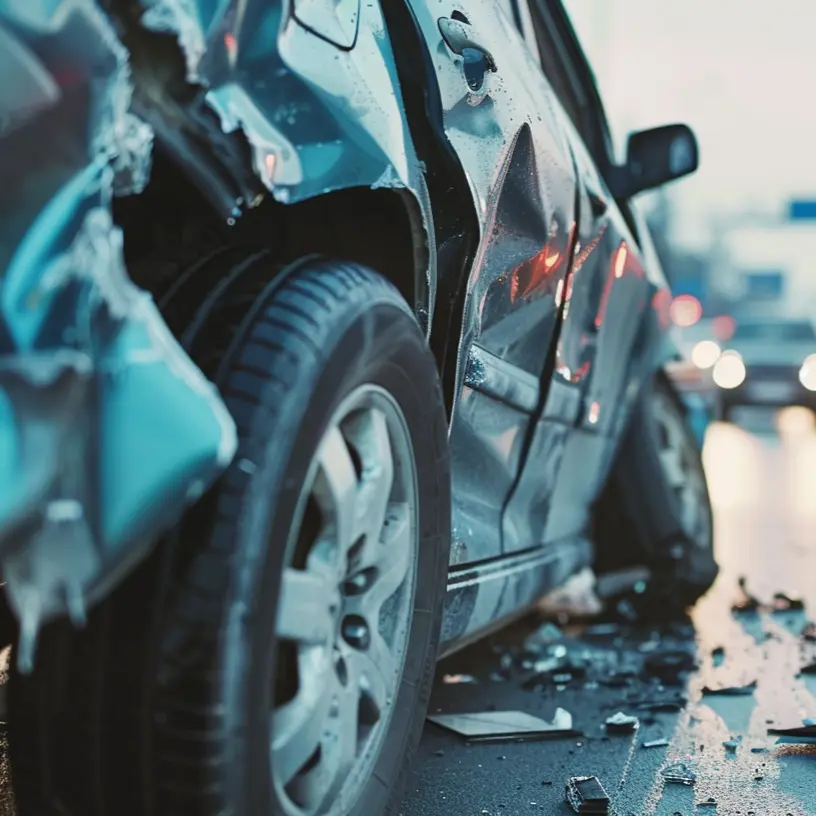
A T-bone accident, also known as a side-impact collision, occurs when the front of one vehicle crashes into the side of another, forming a “T” shape. These accidents are among the most dangerous types of crashes, often leading to life-altering injuries or fatalities. Understanding how these accidents happen, who is at fault, and what legal options you have can significantly protect your rights.
What is a T-Bone Accident?
A T-bone accident, also known as a side-impact collision, occurs when the front of one vehicle crashes into the side of another, forming a “T” shape. These accidents are hazardous because the sides of a car provide far less protection than the front and rear, which have crumple zones designed to absorb impact energy.
Why Are T-Bone Accidents So Dangerous?
Unlike rear-end or frontal collisions, T-Bone crashes leave drivers and passengers vulnerable to direct impact, as there is typically only a door separating them from the oncoming vehicle. The force of impact can cause severe injuries, such as:
- Head and Brain Injuries: The sudden jolt can cause concussions or traumatic brain injuries (TBI).
- Neck and Spinal Cord Damage: Depending on the severity of the crash, whiplash and even paralysis can occur.
- Broken Bones and Fractures: Rib, pelvis, and leg fractures are common due to the force applied to the side of the body.
- Internal Bleeding and Organ Damage: Blunt-force trauma can damage vital organs, sometimes leading to life-threatening conditions.
- Fatalities: Due to the intensity of these accidents, fatal injuries are unfortunately not uncommon.
Common Causes of T-Bone Accidents
Several factors contribute to side-impact crashes, many of which involve driver negligence. The most common causes include:
Failure to Yield the Right of Way
One of the most frequent causes of T-Bone accidents is when a driver fails to yield at intersections. Illinois law requires drivers to yield when traffic signals indicate or when another vehicle has the right of way (Illinois Vehicle Code, 625 ILCS 5/11-902).
Running Red Lights or Stop Signs
Drivers who ignore traffic signals and enter an intersection at high speeds put themselves and others at significant risk. The National Highway Traffic Safety Administration (NHTSA) states that red-light running accounts for nearly 30% of intersection crashes (NHTSA).
Distracted Driving
Using a phone, adjusting the radio, or even talking to passengers can cause a driver to miss stop signs or signals, leading to serious T-Bone crashes (CDC Distracted Driving).
Speeding Through Intersections
A vehicle traveling at high speeds through an intersection has less time to react, making side-impact collisions more forceful and destructive (Illinois Speeding Laws, 625 ILCS 5/11-601).
Drunk or Impaired Driving
Alcohol and drugs significantly reduce reaction time and judgment, making impaired drivers more likely to cause T-Bone crashes (Illinois DUI Laws, 625 ILCS 5/11-501).
Who is at Fault in a T-Bone Accident?
Determining fault in a T-bone accident can be complicated. The driver who fails to obey traffic laws or violates another driver’s right of way is usually held responsible. However, multiple factors—such as malfunctioning traffic signals or poor road conditions—may also play a role in some cases.
How Fault is Determined:
- Traffic Camera Footage – If available, video evidence can prove who had the right of way.
- Eyewitness Statements – Independent witnesses can provide unbiased accounts of the crash.
- Police Reports – Law enforcement officers document accident details and may assign blame.
- Accident Reconstruction Experts – Professionals analyze the crash to determine contributing factors.
Steps to Take After a T-Bone Accident
If you are involved in a side-impact crash, taking the right steps can help protect your legal rights and strengthen your injury claim.
- Call 911 Immediately – Always report the accident, even if injuries seem minor.
- Seek Medical Attention – Some injuries, like internal bleeding, may not be immediately apparent.
- Gather Evidence – Take photos of the scene, vehicle damage, and visible injuries.
- Get Witness Information – Collect their contact details if anyone saw the crash.
- Do Not Admit Fault – Avoid discussing who was responsible; let the investigation determine this.
- Consult a Lawyer – An experienced car accident attorney can help you navigate insurance claims and legal proceedings.
Compensation for T-Bone Accident Injuries
Victims of T-Bone accidents may be entitled to compensation for:
- Medical Bills – Covers hospital stays, surgeries, and physical therapy.
- Lost Wages – If you are unable to work due to your injuries.
- Pain and Suffering – For physical and emotional trauma.
- Property Damage – Repair or replacement of your vehicle.
- Wrongful Death – If a loved one lost their life due to another driver’s negligence.
Illinois follows a comparative negligence system, meaning your compensation may be reduced if you are found partially at fault (735 ILCS 5/2-1116).
Preventing T-Bone Accidents
While you can’t control other drivers, following these safety tips can reduce your risk of a T-Bone crash:
- Always check both ways before crossing an intersection, even on a green light.
- Slow down and be extra cautious in high-traffic areas.
- Never assume another driver will stop at a red light or stop sign.
- Avoid distractions and stay focused on the road.
- Drive defensively and be prepared to react quickly.
Injured in an Uber or Lyft accident? Know who’s liable and how to seek compensation. Contact us today for a free consultation.
Rideshare services like Uber and Lyft have revolutionized transportation, but accidents involving these vehicles can be legally complex. If you’ve been injured in an Uber or Lyft accident—whether as a passenger, driver, or pedestrian—you need to understand your rights and the steps to take for compensation.
At Schierer & Ritchie, LLC, we understand the challenges of rideshare accident claims. If you or a loved one has been injured in an Uber or Lyft accident, contact us for a free consultation today. We’ll help you navigate the legal process and fight for your deserved compensation.

Immediate Steps to Take After a Rideshare Accident
If you’re involved in an accident with an Uber or Lyft, follow these steps to protect your health and legal rights:
- Call 911 and Seek Medical Attention – Even if your injuries seem minor, a medical evaluation is crucial for your well-being and any potential claim.
- Report the Accident to the Police – A police report serves as an official record, critical for insurance claims and lawsuits.
- Document the Scene – Take photos of the accident site, vehicle damage, license plates, and any visible injuries.
- Gather Witness Information – Get the names and contact details of witnesses who saw the accident.
- Report the Crash to Uber or Lyft – The app’s accident reporting feature will notify the rideshare company.
- Avoid Giving Detailed Statements to Insurance Adjusters – Stick to basic facts and consult a lawyer before discussing fault or settlement offers.
- Contact a Personal Injury Lawyer – A lawyer can help you navigate the complexities of rideshare accident claims and maximize compensation.
Who is Liable in an Uber or Lyft Accident?
Liability in a rideshare accident depends on multiple factors, including who caused the crash and the driver’s status within the rideshare platform.
When the Uber or Lyft Driver is at Fault
Uber and Lyft classify their drivers as independent contractors, but they provide liability coverage under specific circumstances:
- If the driver is logged into the app and waiting for a ride request:
- Coverage: $50,000 per person, $100,000 per accident for injuries, and $25,000 for property damage (Illinois Rideshare Insurance Requirements).
- If the driver has accepted a ride or is transporting a passenger:
- Coverage: $1 million in liability insurance (Uber’s Insurance Policy | Lyft’s Insurance Policy).
- If the driver is not logged into the app:
- Their auto insurance applies.
When Another Driver is at Fault
If another driver caused the accident, their insurance is responsible for covering damages. However, if they are uninsured or underinsured, Uber and Lyft provide $1 million in uninsured/underinsured motorist (UM/UIM) coverage while a passenger is in the vehicle.
When Uber or Lyft May Be Liable
Although Uber and Lyft often distance themselves from driver liability, there are rare situations where they can be held accountable:
- Negligent hiring (e.g., failing to conduct proper background checks).
- Improper vehicle maintenance (if a company-owned vehicle was used).
- App malfunctions that contributed to the accident.
How to File a Claim After a Rideshare Accident
Filing an Insurance Claim
Depending on fault and the driver’s status, you may need to file claims with:
- The rideshare company’s insurance provider.
- The at-fault driver’s insurance.
- Your auto insurance (if applicable).
What Compensation Can You Recover?
If injured in an Uber or Lyft accident, you may be entitled to:
- Medical expenses (current and future treatment).
- Lost wages (if injuries prevent you from working).
- Pain and suffering (for physical and emotional distress).
- Property damage (for vehicle repairs or replacements).

Challenges in Rideshare Accident Claims
Rideshare accident cases can be more complex than traditional car accidents due to:
- Multiple insurance policies – Determining which policy applies can be confusing.
- Disputes over liability – Uber and Lyft often try to limit their financial responsibility.
- Insurance company tactics – Adjusters may attempt to minimize payouts or delay claims.
Do You Need a Lawyer for an Uber or Lyft Accident Claim?
Given the complexities of rideshare accidents, consulting an attorney can be invaluable. A lawyer can:
- Investigate the accident and gather evidence.
- Handle negotiations with insurance companies.
- Ensure you receive the maximum compensation you deserve.
Contact Schierer & Ritchie, LLC for Help
At Schierer & Ritchie, LLC, we understand the challenges of rideshare accident claims. If you or a loved one has been injured in an Uber or Lyft accident, contact us for a free consultation today. We’ll help you navigate the legal process and fight for your deserved compensation.