Being hit by an uninsured driver in Illinois can be frustrating. At Schierer & Ritchie, LLC, we understand the challenges and can help.
Car accidents are stressful enough, but the situation becomes even more complicated when the at-fault driver is uninsured. If you are involved in an accident with an uninsured driver in Illinois, you may wonder how to recover compensation for medical bills, vehicle damage, and other losses. Fortunately, there are legal options available to protect victims in these situations.
At Schierer & Ritchie, LLC, we specialize in helping accident victims recover the compensation they deserve. Contact us today for a free consultation to discuss your case.

Illinois Car Insurance Requirements
Under Illinois law, all drivers are required to carry minimum liability insurance coverage. According to the Illinois Vehicle Code (625 ILCS 5/7-601), the minimum insurance coverage required is:
- $25,000 for bodily injury or death per person
- $50,000 for bodily injury or death per accident
- $20,000 for property damage per accident
Despite these legal requirements, many drivers still operate vehicles without insurance. In these cases, victims must seek compensation elsewhere.
What Are Your Options If the At-Fault Driver is Uninsured?
If an uninsured driver hits you in Illinois, there are several ways to seek compensation:
Uninsured Motorist Coverage (UM)
Illinois requires all auto insurance policies to include Uninsured Motorist (UM) coverage unless explicitly waived in writing. This coverage helps pay for medical expenses, lost wages, and pain and suffering if an uninsured driver is at fault in an accident that injures you.
- How Does It Work?
- File a claim with your own insurance company under your UM coverage.
- Your insurance company will cover damages up to your policy limits.
- Minimum UM Coverage in Illinois (625 ILCS 5/143a):
- $25,000 per person
- $50,000 per accident
This coverage does not include property damage unless you have Uninsured Motorist Property Damage (UMPD) coverage.
Underinsured Motorist Coverage (UIM)
While UIM coverage applies when the at-fault driver has insurance but insufficient coverage, some victims face uninsured and underinsured situations. If your damages exceed what the at-fault driver can pay, your UIM policy can provide additional compensation.
Collision Coverage
If your car is damaged in the accident, your collision coverage (if you have it) can help pay for repairs, regardless of fault. This is separate from liability and UM coverage.
Personal Injury Protection (PIP) or Medical Payments Coverage (MedPay)
PIP or MedPay coverage, if included in your policy, can help cover medical expenses regardless of fault. Illinois does not require PIP, but some policies offer MedPay, which can be an added layer of financial protection.
Filing a Lawsuit Against the Uninsured Driver
If you do not have UM coverage, or your damages exceed your policy limits, you may consider suing the uninsured driver for compensation. However, this can be challenging because:
- Uninsured drivers often lack sufficient assets to pay for damages.
- Collecting the awarded amount can be complicated even if you win a lawsuit.
Consequences for Uninsured Drivers in Illinois
Driving without insurance in Illinois has serious consequences. If an uninsured driver is caught or involved in an accident, they may face:
- Fines of $500 to $1,000 for driving without insurance (625 ILCS 5/3-707).
- Suspension of their driver’s license and vehicle registration.
- Additional fines and reinstatement fees to get their license back.
Additionally, if they are found at fault for an accident and unable to pay damages, a court may suspend their license until a settlement is reached or payments are made.

Steps to Take If an Uninsured Driver Hits You
If you are in an accident with an uninsured driver, follow these steps to protect your claim:
- Call the Police – Always report the accident and obtain an official police report.
- Gather Evidence – Take photos of the accident scene, vehicle damage, and any injuries.
- Exchange Information – Get the uninsured driver’s contact details.
- Seek Medical Attention – Even if you feel fine, injuries can appear later.
- Notify Your Insurance Company – Report the accident and file a claim under your UM coverage.
- Consult an Attorney – A lawyer can help you navigate your legal options and maximize compensation.
Contact Schierer & Ritchie, LLC Today
Being hit by an uninsured driver in Illinois can be frustrating, but you can recover compensation through your insurance policy, collision coverage, or legal action. Consulting a personal injury attorney can make a significant difference if you need help understanding your rights or negotiating with insurance companies.
Need Legal Help?
At Schierer & Ritchie, LLC, we specialize in helping accident victims recover the compensation they deserve. Contact us today for a free consultation to discuss your case.
Can You Sue for Pain and Suffering After a Car Accident?If you’ve suffered physical pain, emotional distress, or a loss of quality of life due to a car accident, you have the right to seek compensation.
A car accident can leave you with more than just physical injuries—it can cause emotional distress, mental anguish, and a diminished quality of life. If you’ve suffered due to someone else’s negligence, you may wonder: Can you sue for pain and suffering after a car accident in Illinois? The answer is yes, but specific legal criteria and processes are involved.
 Need legal help? Contact Schierer & Ritchie, LLC today for a free consultation and learn how we can help you maximize your compensation.
What Are Pain and Suffering Damages?
Pain and suffering are the non-economic damages a victim endures after an accident. Unlike medical expenses or lost wages, which have clear financial values, pain and suffering damages compensate for an accident’s physical, emotional, and psychological toll.
Types of Pain and Suffering:
- Physical Pain: Chronic pain, ongoing discomfort, and long-term medical complications.
- Emotional Distress: Anxiety, depression, PTSD, or other mental health issues arising from the accident.
- Loss of Enjoyment of Life: When injuries prevent a person from engaging in hobbies or activities they once enjoyed.
- Disfigurement or Disability: Permanent scars, amputations, or other life-altering injuries that impact daily living. (Illinois Compiled Statutes, 735 ILCS 5/2-1115.2)
Can You Sue for Pain and Suffering in Illinois?
Yes, Illinois law allows accident victims to recover pain and suffering damages in personal injury claims. However, to qualify, you must prove that:
- The accident was caused by another party’s negligence (e.g., reckless driving, distracted driving, DUI).
- You sustained physical injuries as a result of the accident.
- The injuries have caused significant pain, emotional distress, or mental suffering.
Illinois follows a fault-based insurance system, meaning the at-fault driver (or their insurance company) is responsible for compensating victims. (Illinois Vehicle Code, 625 ILCS 5/7-203)
How Are Pain and Suffering Damages Calculated?
Since pain and suffering do not have a fixed dollar value, courts and insurance companies use different methods to estimate compensation:
A. Multiplier Method
One common approach is the multiplier method, where economic damages (e.g., medical bills) are multiplied by a factor between 1.5 and 5, depending on injury severity.
For example:
- Medical expenses: $50,000
- Multiplier: 3 (for severe injuries)
- Pain and suffering damages: $150,000
B. Per Diem Method
This method assigns a daily dollar amount for pain and suffering, multiplied by the number of days the victim experiences pain. (Illinois Personal Injury Damages Guide)
For example:
- Daily rate: $200
- Duration of pain: 365 days
- Pain and suffering damages: $73,000
What Evidence Do You Need to Prove Pain and Suffering?
Since pain and suffering are subjective, strong evidence is required to support your claim. (American Bar Association – Personal Injury Litigation)
Key evidence includes:
- Medical Records: Proof of injury, treatments, and long-term prognosis.
- Expert Testimony: Statements from doctors or therapists about ongoing pain and psychological distress.
- Personal Journals: Written records detailing daily pain levels and emotional struggles.
- Testimonies from Family and Friends: Statements describing how the accident has impacted your daily life.
- Photos or Videos: Visual documentation of injuries and lifestyle changes.

How Long Do You Have to File a Pain and Suffering Claim?
The statute of limitations for personal injury claims in Illinois is two years from the accident date. If you fail to file within this timeframe, you may lose your right to seek compensation. (735 ILCS 5/13-202)
Exceptions apply in cases involving:
- Minors (under 18) – The statute extends until they turn 20.
- Discovery Rule – If injuries are not immediately apparent, the two-year clock starts when the injury is discovered.
How a Car Accident Lawyer Can Help Maximize Your Compensation
An experienced car accident attorney can:
- Prove negligence and liability.
- Negotiate with insurance companies for a fair settlement.
- Gather medical and expert testimony to support your claim.
- Take your case to trial if a settlement offer is too low.
Insurance companies often try to minimize pain and suffering payouts, making legal representation essential for maximizing compensation.
Should You File a Pain and Suffering Claim?
If you’ve suffered physical pain, emotional distress, or a loss of quality of life due to a car accident, you have the right to seek compensation. Pain and suffering damages are essential to personal injury claims and can significantly impact financial recovery.
Need legal help? Contact Schierer & Ritchie, LLC today for a free consultation and learn how we can help you maximize your compensation.
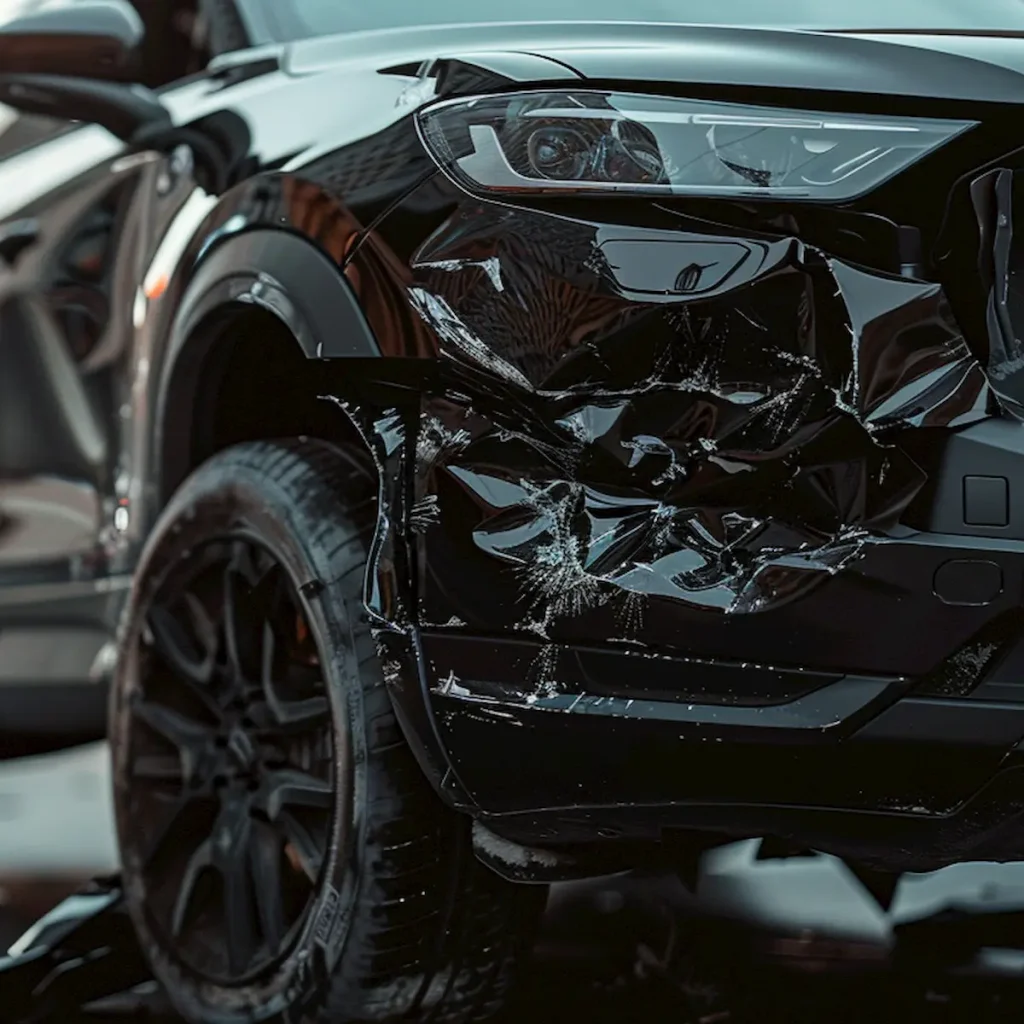
Determining fault in an Illinois car accident can be complex, especially with comparative negligence laws and insurance investigations.
Determining fault after a car accident in Illinois is crucial because it affects insurance claims, liability, and potential compensation for damages. Illinois follows a fault-based system, meaning the driver responsible for the accident is liable for the resulting damages. But how exactly is fault determined, and what factors play a role in this process?
If you’ve been in a car accident, Schierer & Ritchie, LLC can help protect your rights and fight for the compensation you deserve.
Contact us today for a free consultation.
Illinois is an At-Fault State
Illinois operates under an at-fault system, meaning that the driver who caused the accident is responsible for covering damages through their auto insurance policy.
- After an accident, the injured party can:
- File a claim with their own insurance company.
- File a claim against the at-fault driver’s insurance.
- File a personal injury lawsuit against the at-fault driver.
(Illinois Department of Insurance)
Legal Standards for Determining Fault
To determine fault, Illinois law relies on the concept of negligence. A driver is considered negligent if they fail to exercise reasonable care while driving, resulting in an accident.
To prove negligence, the following elements must be established:
- Duty of Care: Every driver must legally operate their vehicle safely.
- Breach of Duty: The driver failed to meet that duty (e.g., speeding, running a red light).
- Causation: The breach directly caused the accident.
- Damages: The accident resulted in losses such as medical bills, property damage, or pain and suffering.
(Illinois Pattern Jury Instructions – Civil, No. 10.01)
Comparative Negligence in Illinois
Illinois follows a modified comparative negligence rule under 735 ILCS 5/2-1116.
- You can recover damages even if you are partially at fault if you are less than 50% responsible.
- Your percentage of fault reduces your compensation.
Example:
- If you are found 20% at fault and your damages are $100,000, you would receive $80,000.
Common Types of Evidence Used to Determine Fault
Determining fault often requires substantial evidence, including:
- Police Reports: Official reports often include the officer’s assessment of fault.
- Eyewitness Testimonies: Statements from those who saw the accident occur.
- Surveillance Footage: Traffic cameras, dashcams, or security footage.
- Accident Scene Photos: Photos of vehicle damage, skid marks, road conditions, and traffic signs.
- Expert Testimony: Accident reconstruction experts can provide analysis and opinions.
(Illinois State Police Accident Report Guide)
Factors That Affect Fault Determination
Several factors are considered when determining fault, including:
- Traffic Violations: Running a red light, speeding, or failing to yield.
- Road Conditions: Weather, road construction, and poor signage.
- Driver Behavior: Distracted driving, fatigue, or driving under the influence.
- Vehicle Defects: Malfunctioning brakes or tire blowouts.
(National Highway Traffic Safety Administration (NHTSA))

What Happens If Both Drivers Disagree on Fault?
If drivers disagree on fault, the case may involve:
- Insurance Investigations: Each insurance company conducts its investigation.
- Arbitration: A neutral third party reviews the evidence and decides fault.
- Litigation: If no agreement is reached, the case may go to court, where a judge or jury determines fault.
(Illinois State Bar Association)
How Does Fault Impact Insurance Claims?
The at-fault driver’s insurance typically covers:
- Medical expenses.
- Property damage.
- Lost wages.
- Pain and suffering.
Your payout is reduced under comparative negligence rules if you are partially at fault. (Illinois Department of Insurance)
What to Do After an Accident to Protect Your Rights
To protect yourself and strengthen your case after an accident:
- Call the Police to report the accident.
- Document the Scene with photos and videos.
- Exchange Information with all parties involved.
- Seek Medical Attention even if injuries seem minor.
- Contact a Car Accident Attorney to guide you through the legal process.
Understanding Fault in Illinois Car Accidents
Determining fault in an Illinois car accident can be complex, especially with comparative negligence laws and insurance investigations. Knowing how fault is established, what evidence is needed, and how it impacts your claim is crucial to securing fair compensation.
If you’ve been in a car accident, Schierer & Ritchie, LLC can help protect your rights and fight for the compensation you deserve.
Contact us today for a free consultation.
Driving in winter conditions is one of the biggest safety challenges. Contact us today for a free consultation.
Winter in Peoria brings its own set of challenges. With icy roads, heavy snowfall, and freezing temperatures, the season can be hazardous for drivers, pedestrians, and property owners alike. At Schierer & Ritchie, LLC, we want to help you stay safe and avoid accidents during the colder months.
Contact us today for a free consultation. We’ll evaluate your case, help you understand your options, and work tirelessly to protect your rights.


My attorney was Schierer. He came to my work to initially meet after my car wreck. He instantly told me what coverage to always carry. Then he broke down the process. He made it understandable. His team reached out to me on every important decision. They were a great team to have helped me out after my accident. I would hope to not have to use an attorney for anything again. But if I needed one, I would definitely recommend and use my attorney, Schierer.

Hey, thank you again for the consultation… you’re amazing!
Response from the owner: Thank you so much for the kind words. Good luck with everything!!

Had amazing communication. Gave me the right resources to find what I was looking for. Contacted me within a short amount of time regarding my situation.

I want to appreciate all the work Mr. Schierer and his staff has gone through with my case. I’m very thankful for even the recommendation to Mr. Schierer. This was a really great opportunity. I thank you guys so much!
Response from the owner: Thank you for the kind words. We very much appreciate it. Happy to have the opportunity to work with you.

Helped me and my family, number one lawyer I recommend to everyone. Took care of us and has a great staff.

Best law firm in the city!! My boy Schierer got me my money and my case over faster than a New York minute!! U for sure got an invite to my wedding!!

Response from the owner: Christopher, thank you so much. It was an honor to help you.

Mr. Schierer and his team made my experience a breeze and did an excellent job in negotiating my plea! 10/10 would recommend them!

Responsive, quick, and cost-effective. Would recommend them highly.

Super friendly, supportive staff who were very patient with all questions. Cannot say how helpful and informative everyone was. I definitely recommend this place.

Great experience, explained our case in detail. Highly recommended.
Stay Safe on the Roads
Driving in winter conditions is one of the biggest safety challenges. Snow and ice reduce traction, increase stopping distances, and contribute to accidents. Follow these tips to navigate safely:
Prepare Your Vehicle
- Winterize Your Car: Check your tires, brakes, and battery. Ensure you have sufficient antifreeze and that your windshield wipers are in good condition.
- Use Winter Tires: These provide better snow and ice traction than all-season tires.
- Emergency Kit: Carry essentials like a blanket, flashlight, jumper cables, and non-perishable snacks in emergencies.
Practice Safe Driving Habits
- Slow Down: Drive at reduced speeds to account for slick conditions.
- Increase Following Distance: Leave at least 6-8 seconds between you and the car in front to allow for safe braking.
- Avoid Sudden Movements: Sudden braking or sharp turns can cause skidding.
- Clear Your Car: Remove snow and ice from windows, mirrors, and headlights to maintain visibility.
Watch for Pedestrian Hazards
Winter conditions increase the risk of slips and falls for pedestrians. Whether you’re walking or a driver sharing the road with pedestrians, take extra precautions:
For Pedestrians
- Wear Proper Footwear: Shoes with good tread can help prevent slips on icy sidewalks.
- Stay Visible: Wear bright or reflective clothing, especially during low visibility in early evenings.
- Walk Carefully: Use handrails on stairs and avoid shortcuts through unplowed or icy areas.
For Drivers
- Yield to Pedestrians: Be especially cautious at crosswalks and intersections, where visibility might be reduced due to snowbanks or fogged windows.
- Avoid Distractions: Stay off your phone and focus on the road and sidewalks.
Prevent Slip-and-Fall Accidents
Slip-and-fall accidents are common during winter due to icy sidewalks and parking lots. Both property owners and pedestrians can take steps to reduce these risks:
For Property Owners
- Clear Walkways: Shovel sidewalks and driveways promptly after snowfall.
- Use Salt or Sand: Apply ice melt products to prevent slippery conditions.
- Check for Hidden Hazards: Remove debris or uneven surfaces that can become more dangerous when covered with snow or ice.
For Pedestrians
- Walk Defensively: Assume that sidewalks may be slippery, even if they appear clear.
- Use Handrails: Where available, always use handrails for stability.

Be Prepared for Winter Weather at Home
Cold weather can lead to household accidents, such as fires or carbon monoxide poisoning. Take these precautions to keep your home safe:
- Check Heating Systems: Ensure your furnace or heating system is working efficiently.
- Install Carbon Monoxide Detectors: Winter increases the risk of carbon monoxide poisoning due to closed spaces and heating appliances.
- Inspect Chimneys and Fireplaces: Remove buildup to prevent fires and ensure proper ventilation.
- Use Space Heaters Safely: Avoid flammable materials and never leave them unattended.
Stay Safe During Outdoor Activities
Winter is a beautiful season in Peoria, perfect for enjoying outdoor activities. However, these activities come with risks:
- Dress Warmly: Wear layers, hats, gloves, and waterproof boots to avoid frostbite and hypothermia.
- Use Caution on Ice: Whether skating or walking on frozen lakes or ponds, always check the thickness of the ice and avoid areas marked unsafe.
- Avoid Overexertion: Activities like shoveling snow can strain your heart. Take breaks and stay hydrated.
Understand Illinois’ Legal Obligations
Winter accidents can also lead to legal issues, especially when negligence is involved. Knowing your rights and responsibilities is crucial:
Drivers
- Clear Your Car: In Illinois, drivers must clear snow and ice from their vehicles to avoid obstructing visibility.
- Liability for Accidents: Drivers who cause accidents due to speeding, distracted driving, or not adapting to winter conditions may be held liable.
Property Owners
- Duty to Maintain Safe Premises: Under Illinois law, property owners must take reasonable steps to keep sidewalks, parking lots, and entryways safe for visitors.
Employers
- Protect Employees: Businesses must ensure clear parking lots and walkways to prevent workplace injuries.
What to Do If an Accident Happens
Despite your best efforts, accidents can still occur. Knowing what to do in these situations can make a significant difference:
After a Car Accident
- Move to Safety: If possible, move vehicles out of traffic.
- Document the Scene: Take photos of the damage, road conditions, and injuries.
- Exchange Information: Collect contact and insurance details from the other driver(s).
- Seek Medical Attention: Even if injuries seem minor, getting checked out is important.
After a Slip-and-Fall
- Report the Incident: Notify the property owner or manager immediately.
- Take Photos: Document the hazardous condition that caused your fall.
- Seek Medical Care: Injuries like sprains or fractures may not be immediately apparent.
How Schierer & Ritchie, LLC Can Help
If you or a loved one has been injured in a winter accident, Schierer & Ritchie, LLC is here to help. Our experienced Peoria personal injury lawyers can guide you through the legal process, ensuring you receive the compensation you deserve.
Contact us today for a free consultation.
We’ll evaluate your case, help you understand your options, and work tirelessly to protect your rights.
If a drunk driver in Illinois injures you, you don’t have to face the aftermath alone. Contact us today for a free consultation.
Being injured in an accident caused by a drunk driver is a traumatic experience. In addition to the physical and emotional toll, victims are often left with questions about how to seek justice and recover damages for their injuries. Illinois law provides avenues for victims to hold drunk drivers accountable, but the process can be complex.
At Schierer & Ritchie, LLC, we understand the challenges victims face after a drunk driving accident. Our team is dedicated to helping clients navigate the legal system and secure the justice they deserve. Contact us today for a free consultation to discuss your case.
Seek Immediate Medical Attention
Your health should always be your top priority. After an accident, it’s crucial to get medical care, even if you don’t feel seriously injured.
- Why It’s Important: Some injuries, like whiplash or internal trauma, may not show symptoms immediately.
- Documentation: Medical records will serve as key evidence in your case, demonstrating the extent of your injuries and linking them to the accident.
Call the Police and Report the Accident
In Illinois, you must report any motor vehicle accident resulting in injury or significant property damage.
- Ensure a Police Report is Filed: The report will include details about the accident, including whether the at-fault driver was suspected of being under the influence of alcohol or drugs.
- Ask for a Copy: Obtain a copy of the police report for your records, as it will be critical evidence in both insurance claims and potential legal actions.
Gather Evidence at the Scene (If Safe to Do So)
Collect as much information as possible at the accident scene if you’re physically able.
- Exchange Information: Get the other driver’s name, contact information, insurance details, and license plate number.
- Take Photos: Photograph the vehicles, the scene, your injuries, and any visible evidence like skid marks or empty alcohol containers.
- Witness Statements: If there are witnesses, ask for their contact information and see if they can provide a statement.
Notify Your Insurance Company
You must promptly inform your insurance company about the accident but avoid giving a detailed statement without consulting an attorney.

Understand Illinois Laws on Drunk Driving
Illinois has strict laws regarding driving under the influence (DUI):
- Legal Limit: Drivers with a blood alcohol concentration (BAC) of 0.08% or higher are considered legally impaired.
- Dram Shop Act: Illinois law allows victims to file claims against establishments that served alcohol to an intoxicated person who caused the accident.
Pursue Compensation for Your Injuries
Victims of drunk driving accidents are entitled to compensation for their losses. There are two main avenues for recovery:
A. Insurance Claims
- File a claim against the at-fault driver’s liability insurance.
- If the driver is uninsured or underinsured, you may file a claim under your policy’s UM/UIM coverage.
B. Personal Injury Lawsuit
- If the insurance settlement is insufficient, you can file a personal injury lawsuit against the drunk driver.
- Damages You Can Claim:
- Medical expenses (past and future)
- Lost wages
- Pain and suffering
- Property damage
- Punitive damages (in cases of gross negligence, such as drunk driving)
File a Claim Within the Statute of Limitations
Illinois law sets specific time limits for filing personal injury claims:
- Two Years for Personal Injury Claims: You must file a lawsuit within two years of the accident.
- Five Years for Property Damage Claims: If the accident resulted in property damage, you have five years to file a claim.
Failing to file within these timeframes may result in losing your right to compensation.
Protect Yourself Legally
Drunk driving accident cases can be legally complex, and the drunk driver’s insurance company may try to shift blame or minimize liability.
- Avoid Talking to the Other Party’s Insurer: Insurance adjusters may attempt to use your statements against you.
- Do Not Accept Quick Settlement Offers: These offers may not fully cover your medical expenses, lost income, or pain and suffering.
Hire an Experienced Attorney
A skilled personal injury attorney can make a significant difference in the outcome of your case. They can:
- Investigate the accident and gather evidence.
- Negotiate with insurance companies on your behalf.
- Pursue additional compensation through dram shop claims or lawsuits.
- Represent you in court, if necessary.
Focus on Your Recovery
While pursuing legal action, prioritize your physical and emotional recovery.
- Follow Medical Advice: Attend all follow-up appointments and stick to your treatment plan.
- Seek Emotional Support: Being involved in a drunk driving accident can be emotionally taxing. Consider counseling or support groups for accident victims.
Final Thoughts
If a drunk driver in Illinois injures you, you don’t have to face the aftermath alone. Illinois laws are designed to hold drunk drivers accountable and provide victims with a path to recovery. By following the steps outlined above and seeking legal assistance, you can protect your rights and maximize your compensation.
Contact Schierer & Ritchie, LLC Today
At Schierer & Ritchie, LLC, we understand the challenges victims face after a drunk driving accident. Our team is dedicated to helping clients navigate the legal system and secure the justice they deserve. Contact us today for a free consultation to discuss your case.
The Long-Term Impact of Whiplash Injuries from Auto AccidentsContact Schierer & Ritchie, LLC today for a free consultation to discuss your whiplash injury case.
Many car accident victims initially believe their whiplash injury will resolve quickly with minimal treatment. However, at Schierer & Ritchie, LLC, we’ve seen firsthand how whiplash injuries can develop into chronic conditions that affect our clients’ quality of life for months or even years after an accident. Understanding these long-term implications is crucial for your medical recovery and legal rights.
What Exactly Is Whiplash?
Whiplash occurs when your head and neck are suddenly forced backward and then forward, similar to a whip’s motion. This violent movement can damage multiple soft tissues in your neck, including muscles, tendons, ligaments, nerves, and even vertebrae and discs. While most commonly associated with rear-end collisions, whiplash can occur in any auto accident where there’s sudden deceleration or acceleration.
Long-Term Effects Many Don’t Anticipate
- Physical Symptoms: The long-term impact of whiplash extends far beyond initial neck pain and stiffness. Many patients develop chronic symptoms that persist for months or years. Persistent headaches often become a daily struggle, while reduced range of motion in the neck can make simple tasks challenging. Upper back and shoulder pain frequently accompany these symptoms, and some patients experience chronic muscle tension that refuses to subside. More concerning are the cases where victims develop numbness or tingling in their arms, face ongoing balance problems, or suffer from recurring bouts of dizziness.
- Cognitive and Psychological Effects: What many don’t realize is that whiplash’s impact goes beyond physical pain. Victims often struggle with memory problems and difficulty concentrating, making work and daily tasks more challenging. Sleep disturbances are common, leading to increased fatigue and irritability. Perhaps most overlooked is the psychological toll – many patients develop depression and anxiety as they cope with chronic pain and limitations.
Impact on Daily Life
Work Limitations
Chronic whiplash symptoms can significantly affect your ability to work, particularly if your job involves:
- Extended computer use
- Physical labor
- Driving
- Frequent movement or lifting
- Extended periods of sitting
Personal Life Disruption
Long-term whiplash can impact:
- Exercise and recreational activities
- Household chores
- Child care responsibilities
- Sleep quality
- Social relationships
The Financial Burden
The long-term financial impact of whiplash often surprises victims. Beyond initial medical treatment, ongoing physical therapy sessions and regular doctor visits become necessary. Lost wages or reduced earning capacity can create significant financial strain. Many patients find themselves exploring alternative treatments like massage or acupuncture to find relief, adding to their expenses. Mental health counseling may also become necessary as patients cope with chronic pain and lifestyle changes.
Why Early Legal Representation Matters
Insurance companies often try to minimize whiplash claims, arguing they’re minor injuries that heal quickly. However, the potential for long-term complications makes it crucial to:
- Document all symptoms thoroughly
- Seek immediate medical attention
- Follow all prescribed treatment plans
- Keep detailed records of how the injury affects your daily life
- Consult with an experienced personal injury attorney before accepting any settlement
Protecting Your Rights
At Schierer & Ritchie, LLC, we understand the complex nature of whiplash injuries and their potential long-term impact. Our experienced attorneys work diligently to ensure you receive proper medical evaluation and treatment while documenting all aspects of your injury and its effects. We carefully calculate the actual long-term costs of your injury, negotiate with insurance companies for fair compensation, and prepare your case for trial if necessary.
Headaches After Your Car Accident? What Are Your Legal RightsUp to 90% of car accident victims report experiencing headaches during the first few months after their accident.
If you’re experiencing headaches after a car accident, you’re not alone. Many accident victims develop headaches in the days or weeks following a collision, even if they didn’t hit their head during the crash.
At Schierer & Ritchie, LLC, we understand how these persistent headaches can impact your daily life and want to help you understand your legal rights.
Up to 90% of car accident victims report experiencing headaches during the first few months after their accident.
If you’re experiencing headaches after a car accident, you’re not alone. Many accident victims develop headaches in the days or weeks following a collision, even if they didn’t hit their head during the crash.
At Schierer & Ritchie, LLC, we understand how these persistent headaches can impact your daily life and want to help you understand your legal rights.
Why Do Headaches Occur After Car Accidents?
Post-accident headaches can stem from various causes:
- Whiplash and neck strain
- Mild traumatic brain injury (even without direct head impact)
- Tension from muscle strain
- Stress and anxiety following the accident
- Concussion symptoms
- Potential blood vessel or nerve damage
It’s crucial to understand that headaches appearing after an accident, even days later, could indicate a serious underlying condition that requires medical attention.
The Importance of Immediate Medical Care
Many accident victims make the mistake of dismissing their headaches as “just stress” or assuming they’ll go away on their own. However, waiting to seek medical care can:
- Put your health at risk by delaying necessary treatment
- Make it more difficult to link your headaches to the accident
- Potentially reduce your ability to recover compensation for your injuries
Know Your Legal Rights
When you’re suffering from accident-related headaches, you have several important legal rights:
- Right to Medical Treatment – You have the right to seek appropriate medical care for your headaches and related symptoms. This may include:
- Emergency room visits
- Primary care physician consultations
- Neurological evaluations
- Physical therapy
- Pain management treatment
- Right to Compensation – If your headaches resulted from an accident caused by someone else’s negligence, you may be entitled to compensation for:
- Medical expenses (both current and future)
- Lost wages from missed work
- Pain and suffering
- Cost of ongoing treatment and therapy
- Impact on your quality of life
- Right to Legal Representation – You have the right to seek experienced legal representation to protect your interests and help you navigate the complex process of securing fair compensation.
Why Documentation Matters
When dealing with post-accident headaches, proper documentation is crucial:
- Keep a detailed diary of your headaches (frequency, intensity, duration)
- Maintain records of all medical visits and treatments
- Save receipts for medications and therapy sessions
- Document how the headaches affect your daily activities and work
- Keep copies of any communication with insurance companies
How Schierer & Ritchie, LLC Can Help
Our experienced personal injury attorneys can:
- Help you understand your legal rights and options
- Ensure you receive proper medical evaluation and care
- Document and prove the connection between your accident and headaches
- Deal with insurance companies on your behalf
- Fight for fair compensation for all your injuries, including headaches
Don’t Wait to Seek Help
Illinois has a statute of limitations for personal injury claims, so it’s important not to delay in seeking legal assistance. Additionally, the sooner you contact an attorney, the better chance we have of preserving crucial evidence and building a strong case.
Contact Us for a Free Consultation
If you’re experiencing headaches after a car accident in Peoria, contact Schierer & Ritchie, LLC, for a free consultation. Our experienced personal injury attorneys are here to help protect your rights and fight for the compensation you deserve.
Traumatic Brain Injury Caused by a Car Accident – What You Need to KnowIf you or a loved one has suffered a traumatic brain injury in a car accident, don’t wait to get legal help. Contact Schierer & Ritchie, LLC today.
A traumatic brain injury (TBI) from a car accident can have life-altering consequences. At Schierer & Ritchie, LLC, we’ve helped many Peoria residents navigate the complex medical and legal challenges that follow such injuries.
Our experienced Peoria personal injury attorneys will evaluate your case and help you understand your options for seeking compensation.
If you or a loved one has suffered a traumatic brain injury in a car accident, don’t wait to get legal help. Contact Schierer & Ritchie, LLC today.
A traumatic brain injury (TBI) from a car accident can have life-altering consequences. At Schierer & Ritchie, LLC, we’ve helped many Peoria residents navigate the complex medical and legal challenges that follow such injuries.
Our experienced Peoria personal injury attorneys will evaluate your case and help you understand your options for seeking compensation.
Understanding Traumatic Brain Injuries in Car Accidents
Traumatic brain injuries can occur even in seemingly minor accidents. During a collision, the sudden impact can cause your brain to collide with the inside of your skull, leading to bruising, bleeding, or tearing of brain tissue. These injuries can happen whether or not your head directly impacts any part of the vehicle.
Common Symptoms to Watch For:
- Headaches that worsen or don’t go away
- Confusion or difficulty concentrating
- Memory problems
- Dizziness or balance issues
- Nausea or vomiting
- Changes in sleep patterns
- Sensitivity to light or sound
- Mood changes or irritability
- Slurred speech
- Loss of consciousness (even briefly)
Why Immediate Medical Attention is Crucial
Many TBI symptoms may not appear immediately after an accident. This delayed onset can be dangerous, as early treatment is critical for preventing further damage. Even if you feel fine after an accident, seeking medical attention promptly is essential if you experience any of the above symptoms.
The Long-Term Impact of TBI
A traumatic brain injury can affect every aspect of your life:
- Cognitive function and memory
- Physical abilities and coordination
- Emotional regulation
- Work capacity and career opportunities
- Personal relationships
- Quality of life
- Financial stability
Legal Considerations for TBI Cases in Illinois
If you’ve suffered a TBI in a car accident, understanding your legal rights is crucial. Illinois law provides specific protections for accident victims, but there are important deadlines and requirements to consider:
- The statute of limitations for personal injury claims in Illinois is typically two years
- Documentation of medical treatment is crucial for establishing your claim
- Expert testimony may be needed to prove the extent of your injury
- Multiple parties may be liable for your injuries
Steps to Take After a Potential TBI
- Seek immediate medical attention
- Document all symptoms and medical visits
- Keep records of how the injury affects your daily life
- Follow your doctor’s treatment plan carefully
- Contact an experienced personal injury attorney
- Avoid discussing your case on social media
- Keep all medical appointments and document your recovery
How Schierer & Ritchie Can Help
- Help gather necessary medical evidence
- Work with medical experts to document your injury
- Calculate the full extent of your damages, including future care needs
- Negotiate with insurance companies on your behalf
- Represent you in court if necessary
- Ensure you meet all legal deadlines and requirements
Contact Us for a Free Consultation
If you or a loved one has suffered a traumatic brain injury in a car accident, don’t wait to get legal help. Contact Schierer & Ritchie, LLC at [phone number] for a free consultation. Our experienced Peoria personal injury attorneys will evaluate your case and help you understand your options for seeking compensation.
We serve clients throughout the Peoria area, including East Peoria, Morton, Washington, and surrounding communities. Let us help you focus on your recovery while we handle the legal complexities of your case.
Contact Us for a Free Consultation
If you or a loved one has suffered a traumatic brain injury in a car accident, don’t wait to get legal help. Contact Schierer & Ritchie, LLC at [phone number] for a free consultation. Our experienced Peoria personal injury attorneys will evaluate your case and help you understand your options for seeking compensation.
We serve clients throughout the Peoria area, including East Peoria, Morton, Washington, and surrounding communities. Let us help you focus on your recovery while we handle the legal complexities of your case.
The Timeline of a Personal Injury Claim After a Car AccidentThe timeline for a personal injury claim after a car accident varies depending on the complexity of the case and the willingness of the parties to negotiate.
If you’ve been involved in a car accident, navigating the personal injury claim process can feel overwhelming. Understanding the typical timeline of a claim—from the moment of the accident to receiving a settlement—can empower you to make informed decisions and ensure you are adequately compensated for your injuries.
At Schierer & Ritchie, LLC, our Peoria personal injury attorneys are here to guide you every step of the way.
The Car Accident: Initial Steps
The journey begins with the accident itself. After ensuring everyone’s safety, take these essential steps:
- Call Emergency Services: Report the accident to local authorities and seek immediate medical attention for any injuries.
- Document the Scene: Take photos of the vehicles, your injuries, and the surrounding area. Gather contact information from witnesses and the other driver(s) involved.
- File a Police Report: This is a critical piece of evidence in your claim.
Prompt action at the scene ensures you have the necessary documentation to support your case.
The timeline for a personal injury claim after a car accident varies depending on the complexity of the case and the willingness of the parties to negotiate.
If you’ve been involved in a car accident, navigating the personal injury claim process can feel overwhelming. Understanding the typical timeline of a claim—from the moment of the accident to receiving a settlement—can empower you to make informed decisions and ensure you are adequately compensated for your injuries.
At Schierer & Ritchie, LLC, our Peoria personal injury attorneys are here to guide you every step of the way.
The Car Accident: Initial Steps
The journey begins with the accident itself. After ensuring everyone’s safety, take these essential steps:
- Call Emergency Services: Report the accident to local authorities and seek immediate medical attention for any injuries.
- Document the Scene: Take photos of the vehicles, your injuries, and the surrounding area. Gather contact information from witnesses and the other driver(s) involved.
- File a Police Report: This is a critical piece of evidence in your claim.
Prompt action at the scene ensures you have the necessary documentation to support your case.
Seek Medical Treatment
Your health should be your top priority. Even if you don’t feel seriously injured, seek a thorough medical evaluation. Some injuries, like whiplash or internal damage, may not be immediately apparent.
- Follow Through with Treatment: It is essential to adhere to your doctor’s recommendations and attend follow-up appointments. Gaps in treatment could harm your claim.
- Keep Records: Save all medical reports, bills, and receipts. These will be vital in demonstrating the extent of your injuries and related expenses.
Contact Your Insurance Company
Notify your insurance company about the accident as soon as possible. Be cautious when communicating:
- Provide Basic Information: Stick to the facts, avoiding speculation about fault or the extent of your injuries.
- Do Not Admit Fault: Leave the liability determination to investigators.
You’ll also want to exchange insurance information with the other party involved in the accident.
Consult a Personal Injury Attorney
While you can handle your claim independently, partnering with an experienced personal injury attorney can significantly improve your chances of receiving fair compensation. Your attorney will:
- Evaluate Your Case: Assess the strength of your claim and estimate its value.
- Handle Communication: Manage correspondence with insurance companies and other parties involved.
- Protect Your Rights: Ensure your claim isn’t undervalued or dismissed unfairly.
Investigation and Evidence Gathering
Once you hire an attorney, they’ll begin an in-depth investigation of your case. This includes:
- Reviewing police reports, medical records, and witness statements.
- Collecting additional evidence, such as surveillance footage.
- Consulting with experts, if necessary, to strengthen your case.
This phase is crucial for building a solid foundation for your claim.
Negotiating With the Insurance Company
After completing the investigation, your attorney will submit a demand letter to the at-fault party’s insurance company. This letter outlines:
- The extent of your injuries and damages.
- A detailed summary of your medical treatment.
- The compensation amount you are seeking.
Insurance companies often counter with a lower offer, and negotiations may take several weeks or months.
Settlement or Lawsuit
Most personal injury claims are resolved through negotiation. If you agree on a settlement amount:
- Sign a Release Form: This finalizes the claim and prevents future legal action regarding the accident.
- Receive Compensation: The settlement typically covers medical bills, lost wages, property damage, and pain and suffering.
Your attorney may recommend filing a lawsuit if a fair settlement cannot be reached. While lawsuits are less common, they may be necessary to secure the compensation you deserve.
Post-Settlement or Trial
After receiving a settlement or court judgment, you’ll use the compensation to cover expenses and rebuild your life. If your case went to trial, be aware that it might take longer to receive funds due to court processing times.
Key Takeaways
- Timely Action: From seeking medical care to hiring an attorney, acting promptly can strengthen your claim.
- Documentation is Crucial: Evidence is the backbone of any personal injury claim.
- Seek Professional Guidance: An experienced personal injury attorney can simplify the process and maximize your compensation.
Navigating a personal injury claim can be complex, but understanding the timeline can make it more manageable. At Schierer & Ritchie, LLC, we specialize in helping car accident victims get the justice they deserve. Contact us today for a free consultation to discuss your case.